* LD50 is specific to a substance and route of exposure: The LD50 (Lethal Dose 50%) represents the amount of a substance that is lethal to 50% of a test population. It varies drastically depending on:
* Substance: Different substances have different toxicities.
* Route of exposure: Ingestion, inhalation, or skin contact all lead to different absorption rates and effects.
* Animal model: LD50 values are determined using animal testing, and different animal species have varying sensitivities.
* Silver is generally considered inert: Pure silver metal is not particularly toxic. It's used in jewelry, silverware, and other applications due to its lack of reactivity.
However, certain forms of silver can be toxic:
* Silver salts: Some silver compounds, like silver nitrate and silver chloride, are toxic and can cause health problems.
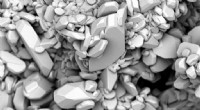
* Silver nanoparticles: These are tiny particles of silver that can exhibit different properties from bulk silver and may have toxic effects.
Therefore, it's not appropriate to speak of an LD50 for "pure silver" without specifying the specific form and route of exposure.
If you have concerns about silver toxicity, consult a medical professional or toxicologist. They can provide specific information based on the situation.