Alkyl groups are generally considered electron-donating. This is because they have a higher electron density than the hydrogen atoms they replace.
Here's a breakdown:
* Inductive Effect: Alkyl groups have a slight positive inductive effect (+I effect). This means they push electron density towards the attached atom (often a carbon atom in an organic molecule). This makes the attached atom slightly more negative and the alkyl group slightly more positive.
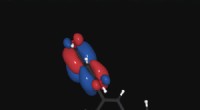
* Hyperconjugation: Alkyl groups can also participate in hyperconjugation, a stabilizing interaction where electrons in C-H bonds overlap with empty orbitals on adjacent atoms. This further increases the electron density of the alkyl group and contributes to its electron-donating character.
However, the inductive effect is relatively weak. In some cases, other factors can outweigh the electron-donating effect of alkyl groups. For example:
* Steric Hindrance: Large alkyl groups can hinder the approach of other molecules or substituents, leading to a different effect on the overall molecule.
* Specific Functional Groups: The presence of highly electronegative atoms or groups within the alkyl group can significantly alter its electronic properties.
In conclusion:
While alkyl groups are generally electron-donating, it's important to consider the specific alkyl group and the overall context of the molecule when determining its electronic properties.