Here's how it works:
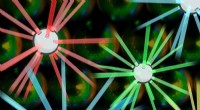
* Emitting Ions: Ionizers produce charged particles, either positive or negative ions, which are released into the air.
* Attracting Particles: These ions then attach themselves to airborne particles, like dust, pollen, pet dander, and even viruses and bacteria. This changes the charge of the particles.
* Removing Particles:
* Electrostatic Precipitation: Some ionizers use charged plates to collect the charged particles, removing them from the air.
* Natural Settling: The charged particles may become heavier and fall to the ground due to electrostatic attraction or gravity.
* Increased Coagulation: The charged particles may attract each other and stick together (coagulate), forming larger particles that are easier to remove through settling or by other air filtration mechanisms.
Important Considerations:
* Not a Primary Filter: Ionizers are often used as a complementary technology to other air purification methods like HEPA filters or activated carbon filters. They don't remove all particles, especially smaller ones like ultrafine particles.
* Ozone Generation: Some ionizers produce ozone as a byproduct, which is a harmful air pollutant. Look for ozone-free models or check the ozone output.
* Maintenance: Ionizers may require regular cleaning to prevent particle buildup and ensure optimal performance.
Overall:
Ionization can contribute to a cleaner air environment by making particles easier to remove, but it's not a complete solution. For effective air purification, consider using other methods in conjunction with ionization.