Hands-on & Experimental:
* Classic Experiments:
* Volcanoes: Demonstrate chemical reactions with baking soda and vinegar, showing gas production and exothermic reactions.
* Density Tower: Layer liquids of different densities to show how they separate based on their weight.
* Chromatography: Separate pigments in markers or food coloring using paper chromatography.
* Crystal Growing: Grow crystals of salt, sugar, or alum to explore crystal formation.
* Elephant Toothpaste: A dramatic demonstration of the decomposition of hydrogen peroxide, showing a huge foam eruption.
* Modern & Engaging:
* Forensic Chemistry: Use chemical tests to identify substances (like different types of sugar or acids) using pH paper, indicators, and other simple tests.
* Making Slime: Explore the properties of polymers and how they react to create different consistencies of slime.
* Chemical Magic Tricks: Design and explain simple magic tricks based on chemical reactions, like making a solution change color or disappear.
* DIY Science Fair Projects: Encourage students to design their own experiments and present their findings.
Conceptual & Interactive:
* Chemical Reactions & Equations:
* Interactive Whiteboard Activities: Use online resources or create your own to visualize chemical reactions, balance equations, and predict products.
* Concept Mapping: Create visual diagrams to show relationships between different concepts like acids, bases, pH, and reactions.
* Chemical Reaction Games: Play online games or design your own to test understanding of balancing equations and identifying reactants and products.
* The Periodic Table:
* Interactive Periodic Table Activities: Use digital periodic tables or create your own posters to explore trends and properties of elements.
* Element Bingo: Create bingo cards with elements and their properties, and call out elements or properties to have students mark their cards.
* Element Research Projects: Assign students specific elements to research and present their findings to the class.
Real-World Connections:
* Chemistry in Everyday Life:
* Food Chemistry: Discuss the chemical reactions involved in cooking, baking, and food preservation.
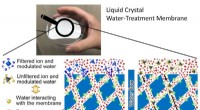
* Environmental Chemistry: Explore pollution and solutions, or the chemistry of water treatment.
* Medicine & Pharmaceuticals: Discuss the role of chemistry in drug development, diagnosis, and treatment.
Assessment & Evaluation:
* Lab Reports: Formal lab reports are essential for developing scientific writing skills and analysis.
* Presentations: Students can present their research, experiments, or findings in creative ways, such as posters, videos, or presentations.
* Quizzes and Tests: Use a variety of question types, including multiple choice, true/false, short answer, and essay questions to assess student understanding.
Tips for Success:
* Differentiated Instruction: Tailor lessons to meet different learning styles and abilities.
* Safety First: Always prioritize safety and follow proper procedures.
* Engagement is Key: Make lessons fun and engaging to keep students motivated.
* Real-World Relevance: Connect lessons to students' lives to show the practical applications of chemistry.
Remember, the best lessons are those that are tailored to your students' needs and interests.