What is a Single Replacement Reaction?
A single replacement reaction (also called a single displacement reaction) occurs when one element replaces another in a compound. The general form is:
* A + BC → AC + B
Where:
* A is the single element replacing another element.
* BC is the compound.
* AC is the new compound formed.
* B is the element that gets displaced.
Possible Products
The products of a single replacement reaction depend on the reactivity of the elements involved. There are two main possibilities:
1. A New Compound and a Free Element:
* This occurs when element A is more reactive than element B. Element A will displace B from the compound, forming a new compound and leaving B as a free element.
* Example:
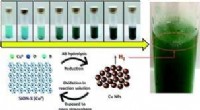
* Zn(s) + CuSO₄(aq) → ZnSO₄(aq) + Cu(s)
* Zinc (Zn) is more reactive than copper (Cu), so it displaces copper from copper sulfate, forming zinc sulfate and solid copper.
2. No Reaction:
* This occurs when element A is less reactive than element B. In this case, element A will not be able to displace B from the compound.
* Example:
* Cu(s) + ZnSO₄(aq) → No Reaction
* Copper (Cu) is less reactive than zinc (Zn), so it cannot displace zinc from zinc sulfate.
Key Points to Remember:
* Activity Series: To predict whether a single replacement reaction will occur, you need to consult the activity series of metals or nonmetals. This series ranks elements from most to least reactive. A more reactive element will displace a less reactive element.
* Types of Single Replacement Reactions:
* Metal Displacement: A metal replaces another metal in a compound (Example: Zinc replacing copper in the first example above).
* Nonmetal Displacement: A nonmetal replaces another nonmetal in a compound (Example: Chlorine replacing bromine in a compound).
* Balancing Equations: Always remember to balance the chemical equation after predicting the products.
Let me know if you would like to explore specific examples or want more details on the reactivity of metals or nonmetals!