1. Concentration:
* Increase the density of the molecules: More molecules packed into the same space means more chances for them to bump into each other.
* Increase the pressure: This forces molecules closer together, increasing density and collisions.
2. Temperature:
* Increase the temperature: Higher temperatures mean molecules move faster, increasing their kinetic energy and likelihood of colliding.
3. Surface Area:
* Increase the surface area of the reactants: This provides more points of contact for collisions. Imagine a large chunk of ice vs. the same amount of ice crushed into smaller pieces. The crushed ice will melt faster because it has a larger surface area exposed to the air.
4. Agitation:
* Stir or shake the mixture: This physically moves molecules around, increasing the probability of collisions.
5. Catalyst:
* Introduce a catalyst: A catalyst speeds up a reaction without being consumed. It often works by providing an alternative pathway with a lower activation energy, making collisions more likely to result in a reaction.
In summary:
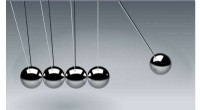
* More molecules = More collisions
* Faster molecules = More collisions
* More surface area = More collisions
* More agitation = More collisions
It's important to note that while increasing collisions can increase the rate of reaction, it doesn't guarantee that a reaction will happen. The molecules must also have enough energy to overcome the activation energy barrier for the reaction to occur.