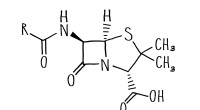
1. Organic Chemistry: The study of compounds containing carbon. This includes a vast array of substances, from plastics and fuels to pharmaceuticals and DNA.
2. Inorganic Chemistry: The study of compounds that do not contain carbon (with some exceptions, such as carbonates). This includes minerals, salts, and metals.
3. Analytical Chemistry: The study of the composition and structure of matter. This involves techniques for identifying and quantifying components of samples, as well as determining their physical and chemical properties.
4. Physical Chemistry: The study of the fundamental principles of chemistry, using physics and mathematics to understand chemical phenomena. This includes topics such as thermodynamics, kinetics, and quantum chemistry.
5. Biochemistry: The study of the chemistry of living things. This includes the structure and function of biomolecules, such as proteins, carbohydrates, and lipids, as well as the chemical processes that occur in living organisms.
It's important to note that these divisions aren't strictly separate. There is a lot of overlap between the different areas of chemistry, and many chemists work in multiple fields.