The process of separating crude oil into different fractions is called fractional distillation. Here's how it works:
1. Heating: The crude oil is heated to a very high temperature in a large furnace. This vaporizes the hydrocarbons.
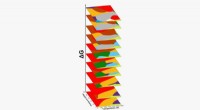
2. Fractionating Column: The hot vapors then enter a tall column called a fractionating column. This column is filled with trays or packing materials that provide a large surface area.
3. Condensation: As the vapors rise up the column, they cool down. The hydrocarbons with higher boiling points condense first and collect at the bottom of the column.
4. Collection: Different fractions are collected at different levels of the column, depending on their boiling point.
Fractions of crude oil:
Here are some of the main fractions obtained from crude oil distillation:
* Petroleum Gases: The lightest hydrocarbons, used for cooking gas and heating.
* Gasoline: Used as fuel for cars and other vehicles.
* Kerosene: Used as fuel for jet planes and heating.
* Diesel Fuel: Used for trucks, buses, and other heavy machinery.
* Fuel Oil: Used for heating and electricity generation.
* Lubricating Oil: Used to reduce friction between moving parts in engines and machines.
* Asphalt: Used for paving roads and parking lots.
So, the key to separating crude oil is taking advantage of the different boiling points of the various hydrocarbons it contains.