Understanding Photosynthesis in C3 Plants
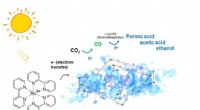
* Key Enzyme: Rubisco: The enzyme RuBisCo is crucial for the Calvin cycle, the part of photosynthesis where carbon dioxide (CO2) is fixed into sugars.
* Competing Reactions: Rubisco can bind to both CO2 and oxygen (O2).
* Photorespiration: When Rubisco binds to O2 instead of CO2, a process called photorespiration occurs. This is wasteful, as it consumes energy and produces no sugar.
What Happens When CO2 is Low
* Increased Photorespiration: When CO2 levels are low, the relative concentration of O2 becomes higher. This makes it more likely that Rubisco will bind to O2, leading to increased photorespiration.
* Reduced Photosynthetic Efficiency: Photorespiration essentially "steals" energy from photosynthesis, reducing the plant's overall efficiency in converting sunlight into sugar.
The Consequences of Low CO2
* Decreased Sugar Production: The plant produces less sugar because more energy is diverted to photorespiration.
* Slower Growth: Reduced sugar production means slower growth rates for the plant.
* Stress Response: The plant may exhibit signs of stress, such as wilting or yellowing leaves.
How C3 Plants Adapt
* Stomata Closure: C3 plants can partially close their stomata (pores on leaves) to conserve water, but this also reduces CO2 uptake, exacerbating the issue.
* Specialized Cells: Some C3 plants have developed specialized cells that help concentrate CO2 near Rubisco, minimizing photorespiration.
In summary, when CO2 levels are low compared to O2 in C3 plant cells, Rubisco is more likely to bind to O2, leading to increased photorespiration, reduced photosynthetic efficiency, and negative effects on plant growth.