1. Freeze-Thaw Weathering (Ice)
* Water seeps into cracks: When water seeps into cracks in rocks, it expands as it freezes, creating pressure on the surrounding rock.
* Expansion and contraction: This process of freezing and thawing can repeat over time, causing the cracks to widen.
* Fragmentation: Eventually, the pressure becomes too great for the rock to withstand, leading to the rock breaking into smaller pieces.
2. Abrasion (Water and Air)
* Rock-on-rock grinding: Water carries sediments like sand and gravel, which can act like sandpaper, grinding against rocks and eroding them. This process is particularly effective in fast-flowing rivers and streams.
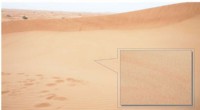
* Wind erosion: Wind can also carry sand and dust, which can wear down rock surfaces over time, creating smooth or pitted surfaces.
3. Chemical Weathering (Water)
* Dissolution: Water can dissolve certain minerals in rocks, weakening the rock and causing it to break down.
* Hydrolysis: Water reacts with minerals in rocks, breaking them down into new minerals that are more easily weathered.
In Summary:
* Ice: The expanding force of freezing water breaks rocks from within.
* Water: Moving water carries abrasive particles, and its chemical properties can dissolve or react with rock minerals.
* Air: Wind carries abrasive particles that can wear down rock surfaces.
These processes work together to break rocks down into smaller pieces, eventually creating soil and sediment.