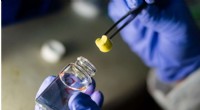
* Low Temperature: Liquid nitrogen exists at a very low temperature (-196°C or -320°F). This extremely low temperature is the key factor in reducing molecular kinetic energy.
* Kinetic Energy and Temperature: Molecular kinetic energy is directly proportional to the temperature of a substance. The hotter a substance is, the faster its molecules move, and the more kinetic energy they possess. Conversely, the colder a substance is, the slower its molecules move, and the less kinetic energy they have.
* Freezing and Condensation: When a substance like nitrogen is cooled down to its boiling point (-196°C), it transitions from a gas to a liquid. This transition, known as condensation, involves a significant reduction in the average kinetic energy of the nitrogen molecules. The molecules slow down enough to overcome their repulsive forces and come closer together, forming a liquid state.
In Summary:
Liquid nitrogen, by virtue of its extremely low temperature, drastically reduces the kinetic energy of molecules. This reduction in kinetic energy is the reason why liquid nitrogen can be used to freeze things rapidly and is also used in various scientific and industrial applications.