The Setup
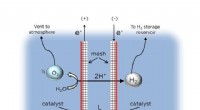
* Metal Plates (Electrodes): Typically made of different metals, like copper and zinc, or even inert materials like platinum or graphite.
* Conducting Solution (Electrolyte): A solution containing ions that can carry electrical charge. Common examples include salt water, acids, and bases.
* Connection: The metal plates are connected externally by a wire or circuit. This allows for the flow of electrons.
What Happens
1. Electrochemical Reactions: When the metal plates are submerged in the electrolyte, chemical reactions occur at their surfaces. These reactions involve the transfer of electrons between the metal and the ions in the solution.
2. Electron Flow: The chemical reactions cause a difference in electrical potential between the two metal plates. This potential difference drives the flow of electrons through the external circuit, creating an electrical current.
3. Types of Cells:
* Galvanic Cell (Battery): If the chemical reactions occur spontaneously, the cell produces electrical energy. This is the basis for batteries.
* Electrolytic Cell: If an external voltage source is applied, the cell consumes electrical energy to drive non-spontaneous chemical reactions. This is used in electrolysis, like plating metals or decomposing water.
Key Concepts
* Electrodes: The metal plates where the chemical reactions occur.
* Electrolyte: The solution that conducts electricity via the movement of ions.
* Anode: The electrode where oxidation occurs (loss of electrons).
* Cathode: The electrode where reduction occurs (gain of electrons).
* Electrochemical Potential: The difference in electrical potential between the electrodes, which drives the flow of electrons.
Applications
This basic setup has numerous applications, including:
* Batteries: Powering devices from phones to cars.
* Electroplating: Applying thin coatings of metals for decorative or protective purposes.
* Electrolysis: Separating substances or synthesizing new compounds.
* Corrosion: Understanding and preventing the deterioration of metals.
* Sensors: Detecting specific ions or analytes in solutions.
Understanding the Specifics
To better understand your setup, you'd need more information, such as:
* The specific metals used: Different metals have different electrochemical properties.
* The electrolyte composition: This determines the ions available for reaction.
* The external circuit: The type of connection and any resistance in the circuit will affect the current flow.
Let me know if you have more details about your setup, and I can provide a more tailored explanation!