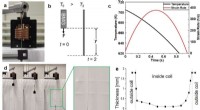
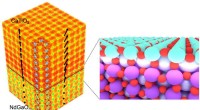
* Kinetic Energy and Temperature: Temperature is a measure of the average kinetic energy of the molecules within a substance. The higher the temperature, the faster the molecules move and vibrate.
* Molecular Spacing: At higher temperatures, molecules have more kinetic energy, causing them to move more vigorously and collide more frequently. This results in greater average spacing between molecules.
* Cooling and Contraction: When a substance cools, the molecules slow down, their vibrations decrease, and they collide less frequently. This reduction in kinetic energy allows the molecules to move closer together, resulting in a decrease in volume – the substance contracts.
Exceptions:
* Water: While most substances contract when they cool, water behaves unusually between 0°C and 4°C. In this range, water actually expands as it cools. This is due to the unique hydrogen bonding structure of water molecules, which changes as the temperature drops.
* Phase Changes: The contraction we usually see is within a specific phase of matter (solid, liquid, gas). When a substance changes phase (e.g., liquid water to solid ice), volume changes are more significant and can involve expansion.
In Summary: Cooling a substance reduces the kinetic energy of its molecules, causing them to move closer together and resulting in contraction. This applies to most substances but has some exceptions like water in a specific temperature range.