1. Understanding the Body at a Molecular Level:
* Drug Development and Action: Chemistry is essential for designing, synthesizing, and testing new drugs. It helps us understand how medications interact with the body's chemical systems (e.g., receptors, enzymes) to produce therapeutic effects.
* Disease Mechanisms: Chemistry helps us understand the chemical imbalances and processes that contribute to disease development. This knowledge allows for targeted treatments and better diagnostics.
* Physiological Processes: Chemistry is fundamental to understanding how our bodies function. It explains processes like digestion, respiration, nerve impulse transmission, and hormone production.
2. Medical Diagnosis and Monitoring:
* Laboratory Testing: Chemical analysis is critical in diagnosing diseases. Blood tests, urine tests, and other lab analyses rely on chemical principles to detect biomarkers, identify infections, and measure organ function.
* Imaging Techniques: Many imaging techniques, like MRI (Magnetic Resonance Imaging) and PET (Positron Emission Tomography) scans, are based on chemical principles. They allow us to visualize the body's internal structures and metabolic activity.
3. Treatments and Therapies:
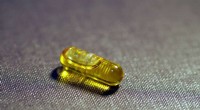
* Drug Delivery: Chemistry helps develop drug delivery systems to ensure medications reach the target site effectively and safely. This includes formulations like capsules, injections, and targeted drug delivery techniques.
* Medical Devices: Many medical devices, such as artificial organs, implants, and prosthetic limbs, rely on materials and processes developed through chemistry.
* Therapies: Chemistry plays a role in various therapies, including gene therapy, chemotherapy, and radiation therapy.
4. Research and Innovation:
* New Technologies: Chemistry fuels innovation in the medical field, leading to the development of new diagnostic tools, therapeutic approaches, and preventative measures.
* Personalized Medicine: Advancements in chemistry are crucial for personalized medicine, which aims to tailor treatments based on individual genetic and molecular profiles.
Examples of Chemistry's Impact on Medicine:
* Antibiotics: The discovery of antibiotics revolutionized medicine, stemming from the understanding of bacterial biochemistry and the development of chemicals that target their vital processes.
* Insulin: The development of synthetic insulin, a crucial hormone for diabetic patients, was a major breakthrough made possible by understanding the chemical structure of insulin.
* Cancer Treatments: Chemotherapy drugs are designed based on their chemical properties and ability to target cancer cells while minimizing damage to healthy cells.
In essence, chemistry is the foundation of medicine, enabling us to understand, diagnose, and treat diseases effectively. It's a constantly evolving field, leading to new discoveries and advancements in healthcare.