Here's a breakdown of the key components and processes involved in leather production:
1. Starting Material: Collagen
* Animal hide is primarily composed of collagen, a fibrous protein that forms a strong, resilient structure.
2. Tanning Process
* Tannin: During tanning, the hide is treated with tannins, which are polyphenols that cross-link the collagen fibers. This process stabilizes the structure, prevents decay, and gives leather its durability.
* Chemicals: Various chemicals are used in the tanning process, including:
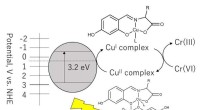
* Mineral Tanning: Using chromium salts (Cr(III))
* Vegetable Tanning: Using tannins extracted from plants like oak bark or quebracho wood.
* Synthetic Tanning: Using synthetic tannins or chrome-free alternatives.
3. Other Treatments:
* Dyeing: Pigments are used to color the leather.
* Finishing: Leather is treated with oils, waxes, or resins to enhance its appearance, feel, and water resistance.
Simplified Representation:
While there's no single formula, a simplified representation of the chemical composition of tanned leather could look like this:
Collagen (cross-linked with tannins) + Pigments + Additives
Important Note: The specific chemical composition of leather varies depending on the animal source, tanning method, and finishing processes used.