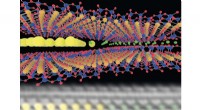
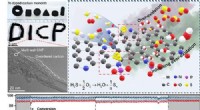
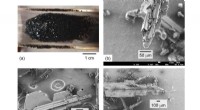
* Chemical Structure: Talc is a mineral composed of magnesium, silicon, and oxygen. Its structure features layers of silicate sheets held together by weak van der Waals forces. These layers are very tightly packed, and the water molecules cannot penetrate or break them apart.
* Polarity: Water molecules are polar, meaning they have a positive and a negative end. Talc, on the other hand, is non-polar. This difference in polarity prevents the water molecules from forming strong bonds with the talc molecules, which is necessary for dissolving.
* Surface Tension: The surface tension of water molecules makes it difficult for them to penetrate the tightly packed structure of talc. The water molecules tend to stick to each other, forming droplets instead of breaking down the talc.
Instead of dissolving, talc powder tends to:
* Suspend: Talc particles can be dispersed in water to form a cloudy suspension. This suspension is temporary, and the particles will eventually settle at the bottom.
* Absorb: Talc powder can absorb some water due to its porous structure. However, this absorption doesn't lead to a true solution.
In summary, talc powder's chemical structure, non-polar nature, and the surface tension of water prevent it from dissolving in water.