Yes, pyruvic acid is a product of both aerobic and anaerobic respiration.
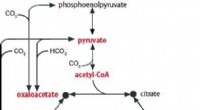
* Glycolysis: The first stage of both aerobic and anaerobic respiration is glycolysis. This process breaks down glucose (a sugar) into two molecules of pyruvate (also known as pyruvic acid). This happens regardless of whether oxygen is present or not.
The difference lies in what happens to pyruvic acid after glycolysis:
* Aerobic Respiration: If oxygen is present, pyruvate enters the mitochondria and goes through the Krebs cycle and electron transport chain. This process generates much more ATP (energy) than anaerobic respiration.
* Anaerobic Respiration: If oxygen is not present, pyruvate is converted into either lactic acid (in animals) or ethanol (in some bacteria and yeast). This process is less efficient than aerobic respiration and produces far less ATP.
In summary:
* Both aerobic and anaerobic respiration start with glycolysis and produce pyruvic acid.
* The fate of pyruvic acid depends on the presence or absence of oxygen.
Let me know if you have any other questions!