Catalysts and Activation Energy
* Activation Energy: Every chemical reaction requires a certain amount of energy to get started. This is called the activation energy. Think of it like pushing a rock uphill – it needs a certain amount of energy to get over the top and roll down the other side.
* Catalysts Lower Activation Energy: Catalysts work by providing an alternative reaction pathway with a *lower activation energy*. This means the reactants need less energy to reach the transition state and form products.
Temperature and Reaction Rates
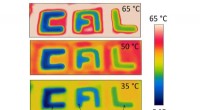
* Temperature and Collisions: Higher temperatures increase the kinetic energy of molecules, causing them to collide more frequently and with greater force. This increases the likelihood of successful collisions that lead to product formation.
* Catalysts Bypass Temperature: Catalysts don't increase the temperature. Instead, they make the reaction easier to happen at the existing temperature. They effectively make more collisions successful, even if the molecules are not moving as fast due to lower temperature.
Analogy
Imagine you have a mountain pass that cars need to cross to get to a destination. The pass is very high, and cars require a lot of fuel to get over it. A tunnel is built through the mountain, making the journey much easier and requiring less fuel.
* Mountain Pass: Represents the original reaction pathway with high activation energy.
* Tunnel: Represents the catalyzed pathway with lower activation energy.
* Cars: Represent reactant molecules.
* Fuel: Represents the energy needed to overcome activation energy.
Key Points
* Catalysts do not change the equilibrium of a reaction; they only speed up the rate at which equilibrium is reached.
* Catalysts are not consumed in the reaction, so they can be used repeatedly.
* Catalysts can be very specific, only working with certain reactions or reactants.
Examples
* Enzymes: Biological catalysts that speed up biochemical reactions in living organisms.
* Catalytic Converters in Cars: Convert harmful exhaust gases into less harmful substances.
* Metal Catalysts in Industrial Processes: Used to produce many chemicals, plastics, and fuels.