Physical Methods:
* Boiling: Heating water to a rolling boil for 1 minute kills most harmful bacteria and viruses. This is a simple and effective method for home use.
* Ultraviolet (UV) Radiation: UV light can damage the DNA of microorganisms, rendering them harmless. This method is used in water treatment plants and for home filtration systems.
* Filtration: Using filters that trap microorganisms like bacteria and viruses is another common method. This can be done with various filter types, like ceramic filters or activated carbon filters.
Chemical Methods:
* Chlorine: Chlorine is a powerful disinfectant commonly used in municipal water treatment. It kills bacteria and viruses but can also produce disinfection byproducts (DBPs) which are potentially harmful.
* Chlorine Dioxide: This chemical is another strong disinfectant used in water treatment. It is less likely to produce DBPs compared to chlorine.
* Ozone: Ozone is a powerful disinfectant that kills microorganisms quickly. However, it is unstable and must be generated on-site.
* Iodine: Iodine tablets are commonly used for water disinfection in camping and emergency situations. They can be effective but are not as widely used as chlorine or UV light.
Other Methods:
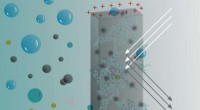
* Reverse Osmosis: This method uses pressure to force water through a semi-permeable membrane, removing dissolved solids and microorganisms.
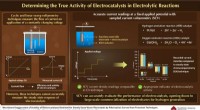
* Electrochlorination: This method uses electricity to generate chlorine on-site, providing a continuous disinfection system.
The most appropriate method for disinfecting water depends on the specific situation, the available resources, and the desired level of disinfection.
For example, boiling is a good option for home use, while UV radiation is more suitable for larger-scale water treatment.
It is important to note that while these methods are effective at killing harmful microorganisms, they may not remove all contaminants from water. For the safest and most effective water disinfection, it is crucial to consult with a water treatment professional.