Directly:
* Glucose: PGAL is a 3-carbon sugar, and two molecules of PGAL can combine to form glucose, a 6-carbon sugar. Glucose is the primary energy source for plants and many other organisms.
* Fructose: Plants can convert PGAL into fructose, another 6-carbon sugar. Fructose is often found in fruits and is sweeter than glucose.
* Sucrose: Glucose and fructose can combine to form sucrose, a disaccharide that plants use for transport and storage of energy.
Indirectly:
* Starch: Plants can store excess glucose as starch, a complex carbohydrate made up of many glucose molecules linked together.
* Cellulose: Cellulose is another complex carbohydrate made up of many glucose molecules, but with a different arrangement. It is the primary structural component of plant cell walls.
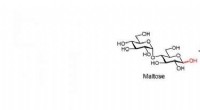
* Other sugars: Plants can synthesize various other sugars, such as maltose, lactose, and galactose, from PGAL.
* Amino acids: Plants can use PGAL to synthesize amino acids, the building blocks of proteins.
* Lipids: Plants can use PGAL to synthesize lipids (fats and oils), which serve as energy storage and structural components.
* Nucleic acids: PGAL is indirectly involved in the production of nucleotides, which are the building blocks of DNA and RNA.
Essentially, PGAL is a versatile building block for plants to produce many essential molecules for growth, development, and energy production.