1. Photosystem II (PSII):
- Sunlight excites electrons in chlorophyll molecules within PSII.
- These energized electrons are passed along an electron transport chain.
2. Water Splitting:
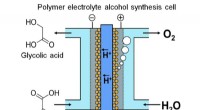
- To replace the lost electrons in PSII, water molecules are split. This process is called photolysis.
- The splitting of water yields:
- Electrons: These electrons replace those lost from chlorophyll, allowing the electron transport chain to continue.
- Protons (H+): These protons are released into the thylakoid lumen, contributing to a proton gradient.
- Oxygen (O2): This is a byproduct of the reaction and is released into the atmosphere.
3. Proton Gradient and ATP Production:
- The accumulation of protons in the thylakoid lumen creates a concentration gradient, driving them to flow back across the membrane through a protein complex called ATP synthase.
- This flow of protons powers the ATP synthase, which uses the energy to synthesize ATP from ADP and inorganic phosphate (Pi).
In summary:
- Splitting water provides electrons for the light-dependent reactions and generates a proton gradient.
- The proton gradient drives ATP production by ATP synthase.
Therefore, the splitting of water is crucial for providing the necessary components for the electron transport chain and creating the proton gradient needed to power ATP synthesis.