Intrinsic properties are characteristics of a substance that are inherent to its chemical composition and structure. They remain constant regardless of the amount of the substance or the conditions it's exposed to.
Here are some examples of intrinsic properties:
* Density: The mass per unit volume of a substance.
* Melting point: The temperature at which a solid turns into a liquid.
* Boiling point: The temperature at which a liquid turns into a gas.
* Solubility: The ability of a substance to dissolve in a solvent.
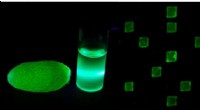
* Color: The way a substance absorbs and reflects light.
* Flammability: The ease with which a substance burns.
* Reactivity: The tendency of a substance to undergo chemical reactions.
These properties are useful for identifying substances because they are unique to each specific substance. For example, water always has a melting point of 0°C and a boiling point of 100°C, regardless of how much water you have.
Note: There are also extrinsic properties which depend on the amount or conditions of a substance. For example, mass, volume, and shape are extrinsic properties.