How Oceanic Gas Hydrates Form:
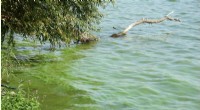
1. Organic Matter Deposition: Organic matter (dead plants and animals) settles on the ocean floor and gets buried in sediments.
2. Bacterial Decomposition: Bacteria break down the organic matter, producing methane (CH4) as a byproduct.
3. High Pressure and Low Temperature: Deep in the ocean, the pressure is very high, and the temperature is low (around 2°C or 36°F). These conditions are ideal for the formation of gas hydrates.
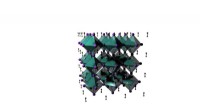
4. Water Molecules: Water molecules surround the methane molecules, forming a cage-like structure, resembling ice. This structure is known as a gas hydrate.
Why It's Not Only Organic Matter:
* Other Sources of Methane: While organic matter decomposition is a significant source of methane, other sources also contribute, such as:
* Thermogenic Methane: Formed from deep within the Earth's crust due to heat and pressure.
* Biogenic Methane: Produced by certain microorganisms that can thrive in very cold, oxygen-deficient environments.
* Other Gases: While methane is the most common gas found in oceanic gas hydrates, other gases like ethane and propane can also be present.
In Conclusion:
The breakdown of organic matter is a crucial step in the formation of oceanic gas hydrates, but it's not the sole source of the necessary methane. Other processes and gas sources contribute to the formation of these fascinating and potentially valuable resources.