Practical Applications:
* Optimizing Industrial Processes: In industries like pharmaceuticals, manufacturing, and chemical production, controlling reaction rates is crucial for efficiency and profitability.
* Maximizing Yield: Knowing how to speed up desirable reactions allows for higher product yields.
* Minimizing Waste: Understanding how to slow down unwanted side reactions minimizes waste and improves process efficiency.
* Controlling Reaction Time: Adjusting reaction rates allows for precise control over reaction times, important for large-scale production.
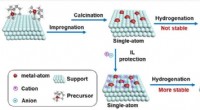
* Designing Catalysts: Catalysts speed up reactions without being consumed, playing a vital role in many industries. By understanding the factors affecting reaction rates, chemists can design more effective catalysts, leading to:
* Increased Reaction Efficiency: Faster reactions with less energy input.
* Sustainable Processes: Utilizing catalysts can minimize the use of harsh conditions and reduce environmental impact.
* Understanding Biological Processes: Many biological processes rely on chemical reactions, and understanding their rates is vital for:
* Drug Development: Knowing how drugs interact with biological systems allows for better design of medicines.
* Understanding Disease Mechanisms: Analyzing the rates of enzymatic reactions helps in understanding diseases and developing treatments.
Theoretical Understanding:
* Predicting Reaction Outcomes: By understanding the factors that affect reaction rates, chemists can predict how quickly a reaction will proceed, allowing for:
* Designing New Reactions: Developing new chemical reactions with specific desired properties.
* Optimizing Existing Reactions: Improving existing reactions by modifying conditions to achieve higher yields or faster reaction times.
* Understanding Reaction Mechanisms: The factors affecting reaction rates provide insights into the step-by-step process of a chemical reaction, called the reaction mechanism. This understanding is essential for:
* Developing New Theories: Expanding our knowledge of chemical reactivity and bonding.
* Predicting Reactions: Predicting the behavior of chemicals under different conditions.
Overall, understanding the factors affecting reaction rates allows chemists to manipulate and control chemical processes, leading to advancements in various fields, from industrial production to scientific discovery.