State of Matter:
* Ice: Solid
* Water: Liquid
Density:
* Ice: Less dense than water (this is why ice floats)
* Water: More dense than ice
Melting Point:
* Ice: 0°C (32°F) - This is the temperature at which ice transitions to liquid water.
Boiling Point:
* Water: 100°C (212°F) - This is the temperature at which liquid water transitions to water vapor.
Thermal Conductivity:
* Ice: Less conductive than water
* Water: More conductive than ice (this is why ice is good for keeping things cold)
Other Properties:
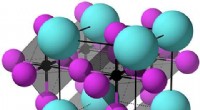
* Crystal Structure: Ice has a crystalline structure, while water is a more disordered structure.
* Transparency: Ice is generally transparent, while water can be transparent or opaque depending on its purity and depth.
* Hardness: Ice is relatively soft, while water is not solid and has no hardness.
These differences in physical properties arise because of the different arrangements of water molecules in the solid and liquid states. In ice, the molecules are tightly packed in a regular lattice structure, which makes it less dense and more rigid. In liquid water, the molecules are more loosely packed and have more freedom to move around, making it more dense and fluid.