Enzymes are biological catalysts, meaning they speed up chemical reactions within living tissues without being consumed in the process. They are essential for all life processes, playing crucial roles in:
1. Metabolism:
* Breakdown of nutrients: Enzymes break down large molecules like carbohydrates, proteins, and fats into smaller units that the body can absorb and use for energy.
* Synthesis of molecules: Enzymes build complex molecules from smaller ones, like proteins from amino acids.
* Energy production: Enzymes facilitate the processes that generate energy (ATP) from food molecules.
2. Regulation:
* Control of metabolic pathways: Enzymes act as checkpoints, ensuring reactions occur in the right order and at the right rate.
* Cell signaling: Enzymes modify signals that communicate between cells, controlling various cellular processes.
3. Specific Reactions:
* High specificity: Each enzyme acts on a specific substrate, like a lock and key. This ensures the correct reactions occur and unwanted side reactions are minimized.
* Optimal conditions: Enzymes work best at specific temperatures and pH levels, allowing for precise regulation of reactions within cells.
How do enzymes work?
Enzymes lower the activation energy needed for a reaction to occur, making it happen faster. This is achieved through:
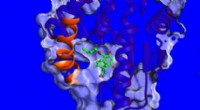
* Bringing reactants closer together: The enzyme's active site binds to the substrates, positioning them optimally for reaction.
* Stabilizing transition states: The enzyme lowers the energy required to form the transition state, the unstable intermediate formed during the reaction.
Examples of enzymes in action:
* Lactase breaks down lactose (milk sugar), allowing digestion.
* DNA polymerase replicates DNA, ensuring accurate genetic information is passed on.
* Amylase digests starch into simple sugars in the mouth and small intestine.
* Catalase breaks down hydrogen peroxide into water and oxygen, protecting cells from damage.
In summary, enzymes are essential for life, acting as catalysts to speed up and regulate chemical reactions within living tissues. They are responsible for diverse functions, from nutrient breakdown to DNA replication, making them crucial for all metabolic processes and the overall health of organisms.