Common Substances:
* Dry ice (solid carbon dioxide) - This is the most well-known example. Dry ice sublimates at room temperature, producing a fog-like effect.
* Naphthalene (mothballs) - They slowly evaporate over time, giving off a distinctive odor.
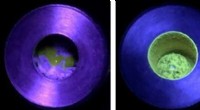
* Iodine - It readily sublimates when heated, producing violet vapors.
* Camphor - A white crystalline solid used in traditional medicine and as an insect repellent.
* Arsenic - This toxic substance can sublimate at higher temperatures.
* Freeze-dried food - The water in these foods is removed through sublimation.
Less Common Substances:
* Certain metals - Some metals, like mercury, can sublimate under certain conditions.
* Some organic compounds - For example, the amino acid glycine can sublimate.
* Some inorganic compounds - Certain salts, like ammonium chloride, can sublimate.
Factors affecting sublimation:
* Temperature - Sublimation occurs more readily at higher temperatures.
* Pressure - Lower pressure promotes sublimation.
* Surface area - A larger surface area allows for faster sublimation.
It's worth noting that while some substances readily sublimate, others may sublimate only at specific temperatures and pressures.