* Vapor is the gaseous state of water. It forms when liquid water absorbs enough energy (usually heat) to overcome the forces holding it together, causing it to escape into the air as individual molecules.
* Cooling water actually *removes* energy from it. This process makes water molecules slow down and move closer together, eventually transitioning from liquid to solid (ice) at 0°C (32°F).
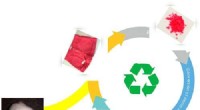
Here's a summary of the water cycle:
1. Evaporation: Liquid water absorbs energy and turns into vapor.
2. Condensation: Water vapor loses energy and cools, turning back into liquid water, forming clouds.
3. Precipitation: Water falls back to the Earth as rain, snow, sleet, or hail.
4. Collection: Water collects in rivers, lakes, and oceans.
So, while cooling water doesn't directly turn it into vapor, it does play a crucial role in the condensation stage of the water cycle.