Here's how it works:
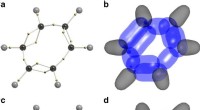
* Polarity: Water molecules are polar, meaning they have a slightly positive end (the hydrogen atoms) and a slightly negative end (the oxygen atom).
* Hydrogen Bonds: The positive end of one water molecule is attracted to the negative end of another water molecule. This attraction forms a weak bond called a hydrogen bond.
* Stronger Together: Even though each individual hydrogen bond is weak, the fact that many water molecules can form hydrogen bonds with each other creates a strong overall force that makes water molecules stick together.
This stickiness has a huge impact on the properties of water:
* High surface tension: This is why water forms droplets and insects can walk on water.
* High boiling point: Water takes a lot of energy to boil because the hydrogen bonds need to be broken.
* Good solvent: Water's ability to form hydrogen bonds makes it a great solvent for many substances, like salt.
So, water molecules do like to stick together, and it's a good thing! This stickiness is what makes water so important for life on Earth.