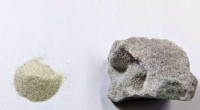
* Filtration is a physical separation process. It separates substances based on particle size. Smaller particles pass through the filter, while larger ones are retained.
* The purity of filtrate depends on the filter's pore size and the composition of the original mixture.
* Filtration doesn't remove dissolved substances. If the original mixture contains dissolved salts, sugars, or other substances, they will pass through the filter and be present in the filtrate.
Here are some examples:
* Filtering coffee: The filter traps coffee grounds, but the dissolved coffee compounds pass through and are present in the filtrate (your coffee).
* Filtering water: A water filter can remove dirt and sediment, but it won't remove dissolved minerals or microorganisms.
* Filtering blood in the kidneys: The nephrons in the kidneys filter blood, removing waste products and excess water, but they leave behind essential nutrients and proteins.
In summary: Filtrate is considered purer than the original mixture because it is free of larger particles, but it may still contain dissolved substances. The level of purity depends on the specific filtration method and the composition of the original mixture.