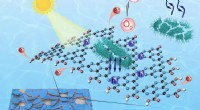
* Capture Light Energy: Chloroplasts contain a green pigment called chlorophyll, which absorbs light energy from the sun.
* Convert Light Energy into Chemical Energy: The captured light energy is used to split water molecules, releasing oxygen as a byproduct.
* Produce Glucose: The energy from splitting water is used to convert carbon dioxide into glucose, a simple sugar that provides energy for the plant.
* Store Energy: The glucose produced during photosynthesis can be used immediately for growth or stored for later use as starch.
In short, chloroplasts are the powerhouses of plant cells, responsible for converting light energy into chemical energy that fuels the plant's growth and development.