1. Asphyxiation:
* Displacement of Oxygen: Heavy gases can displace the breathable oxygen in an enclosed space, leading to asphyxiation. This is a serious hazard in confined areas like tanks, pits, or even poorly ventilated buildings.
* Toxicity: Some heavy gases are also toxic, causing direct harm to the body even at low concentrations. This combines with the oxygen displacement risk, making the situation even more dangerous.
2. Fire and Explosion Hazards:
* Flammability: Many heavy gases are flammable, and some are highly explosive. This risk increases in enclosed areas where the gas can accumulate.
* Combustion: Even non-flammable heavy gases can contribute to fire hazards by acting as an oxidizer, supporting combustion.
3. Health Effects:
* Respiratory Irritation: Heavy gases can irritate the lungs, causing coughing, shortness of breath, and potentially more severe respiratory issues.
* Other Health Effects: Specific heavy gases can have various health effects, ranging from headaches and dizziness to long-term health problems, depending on the gas and exposure level.
4. Environmental Impacts:
* Greenhouse Gases: Some heavy gases are powerful greenhouse gases, contributing to climate change.
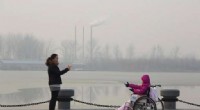
* Atmospheric Pollution: Heavy gas emissions can contribute to air pollution and smog, negatively affecting air quality.
Examples of Dangerous Heavy Gases:
* Carbon Dioxide (CO2): A colorless, odorless gas that can displace oxygen and cause asphyxiation.
* Methane (CH4): A flammable and explosive gas that is a significant contributor to climate change.
* Hydrogen Sulfide (H2S): A toxic and flammable gas that can cause rapid unconsciousness and death.
* Chlorine (Cl2): A highly toxic gas that can cause severe respiratory irritation and damage.
* Sulfur Dioxide (SO2): A corrosive gas that contributes to acid rain and respiratory problems.
Safety Precautions:
* Ventilation: Ensure adequate ventilation in areas where heavy gases might accumulate.
* Detection Systems: Install gas detectors to alert of dangerous gas levels.
* Personal Protective Equipment (PPE): Use appropriate PPE, such as respirators, when working with heavy gases.
* Training and Awareness: Train workers on the hazards of heavy gases and how to respond safely.
It is crucial to understand the specific risks associated with each heavy gas you might encounter and take appropriate precautions to prevent accidents and injuries. Always refer to safety data sheets (SDS) for specific information on handling and safety procedures.