Pros:
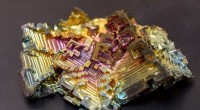
* Easy to observe: Color is one of the most readily apparent characteristics of a mineral. You can often identify a mineral just by looking at it.
* Distinctive in some cases: Some minerals have very specific and distinctive colors. For example, malachite is always green, and azurite is always blue.
* Can indicate the presence of impurities: Some minerals change color depending on the impurities they contain. For example, quartz can be clear, milky white, pink (rose quartz), or purple (amethyst).
* Can be combined with other tests: Color is often used in conjunction with other identification tests, such as streak, hardness, and cleavage, to narrow down the possibilities.
Cons:
* Not always reliable: Many minerals come in a variety of colors due to impurities or other factors. For example, calcite can be clear, white, pink, yellow, or even black.
* Color can be deceptive: Some minerals can appear very similar in color, but are actually different types of minerals. For example, pyrite (fool's gold) can look very similar to gold, but is actually a sulfide mineral.
* External factors can influence color: Weathering, exposure to sunlight, and other environmental factors can change the color of a mineral over time.
In summary:
While color can be a helpful tool for mineral identification, it is not a foolproof method. It's important to use other tests and resources to confirm the identity of a mineral.
Alternatives:
* Streak test: This test involves rubbing the mineral across a streak plate to determine the color of its powder.
* Hardness test: This test compares the resistance of the mineral to scratching with a known hardness scale (Mohs scale).
* Cleavage and fracture: This refers to the way the mineral breaks. Some minerals have characteristic cleavage planes or fracture patterns.
* Specific gravity: This test measures the density of the mineral.
* Luster: This refers to the way light reflects off the surface of the mineral.
* Chemical tests: These tests involve using acids or other chemicals to identify the mineral's composition.
By combining several of these tests, you can get a much more accurate identification of a mineral.