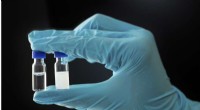
The "white stuff" you're seeing at the bottom is likely undissolved sodium hydroxide. Here's why:
* Solubility: Sodium hydroxide is very soluble in water, but its solubility is limited. This means that only a certain amount of NaOH can dissolve in a given amount of water at a given temperature.
* Exothermic Reaction: Dissolving NaOH in water is an exothermic reaction, meaning it releases heat. This heat can cause the solution to become very hot, which can reduce the solubility of NaOH.
* Crystallization: As the solution cools down, the solubility of NaOH decreases further. This can lead to the crystallization of undissolved NaOH, which appears as a white solid at the bottom.
Important Notes:
* Safety: Caustic soda is a highly corrosive substance. It is crucial to handle it with extreme care and wear appropriate safety gear (gloves, goggles, etc.).
* Mixing: Always add caustic soda slowly to water, never the other way around. Adding water to NaOH can cause a violent reaction and splashing.
If you are unsure about what you are dealing with, it's always best to seek guidance from a qualified chemist or safety professional.