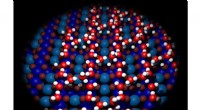
Natural materials are derived from living organisms or geological processes, while synthetic materials are created by humans through chemical processes.
Here's a more detailed breakdown:
Natural Materials:
* Origin: Found in nature, often as raw materials.
* Examples:
* From living organisms: Wood, cotton, wool, silk, leather, rubber, cork, beeswax.
* From geological processes: Stone, clay, sand, minerals, metals (like iron and copper).
* Characteristics:
* Often renewable, biodegradable, and sustainable.
* Vary in strength, durability, and properties depending on the source.
* Can be more complex and difficult to work with.
* Benefits:
* Often aesthetically pleasing, with natural textures and colors.
* Biodegradable, reducing environmental impact.
* Drawbacks:
* Can be limited in availability or require extensive processing.
* May be prone to decay or damage.
Synthetic Materials:
* Origin: Created in laboratories or factories using chemical reactions.
* Examples:
* Polymers: Plastics, nylon, polyester, acrylic, Teflon.
* Ceramics: Glass, porcelain, cement, ceramics.
* Metals: Aluminum, stainless steel, brass, bronze.
* Characteristics:
* Often durable, resistant to damage, and easy to mold.
* Can be engineered to have specific properties, like strength, flexibility, or conductivity.
* Benefits:
* Easily produced in large quantities, often at a lower cost.
* Resistant to degradation, weathering, and pests.
* Drawbacks:
* Not biodegradable, contributing to pollution.
* May require significant energy consumption for production.
* Can be harmful to human health or the environment.
In summary:
Natural materials are naturally occurring, renewable, and often biodegradable, while synthetic materials are manufactured, non-renewable, and often non-biodegradable. The choice between natural and synthetic materials depends on factors like cost, performance, environmental impact, and the specific application.