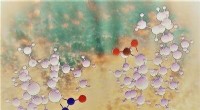
* Kinetic Energy and State of Matter: The molecules in a gas have high kinetic energy, meaning they move around rapidly and are far apart. As a gas cools, its molecules lose kinetic energy and slow down.
* Intermolecular Forces: As the molecules slow down, the attractive forces between them (intermolecular forces) become more significant. These forces pull the molecules closer together.
* Condensation: When the molecules get close enough and their kinetic energy is low enough, they begin to form a liquid. This process is called condensation.
Example: Think about water vapor in the air. When the air cools, the water vapor molecules lose energy, slow down, and condense into tiny water droplets, forming clouds or dew.