* Nuclear Fission: Nuclear reactors generate energy through nuclear fission. In this process, a neutron strikes a heavy atom (like uranium-235), causing it to split and release more neutrons.
* Chain Reaction: These released neutrons can then strike other atoms, continuing the fission process. This creates a chain reaction that sustains the reactor's energy output.
* Neutron Energy: The neutrons released during fission travel at very high speeds. However, slow-moving neutrons are much more likely to cause further fission.
* Moderator's Role: The moderator's purpose is to slow down these fast-moving neutrons. This is achieved through collisions with the moderator material. The moderator material is typically chosen for its ability to efficiently slow down neutrons without absorbing them.
Common Moderator Materials:
* Water: Used in many reactors, water acts as both a coolant and a moderator.
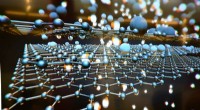
* Graphite: Often used in older reactors, graphite is a very efficient moderator.
* Heavy Water (Deuterium Oxide): Used in some reactors, heavy water is a better moderator than regular water.
In Summary: The moderator plays a crucial role in the control and efficiency of a nuclear reactor by slowing down neutrons to increase the likelihood of further fission reactions.