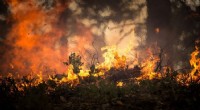
* Burning involves a chemical reaction: When a flammable material burns, it reacts with oxygen in the air. This reaction produces new substances, primarily carbon dioxide, water vapor, and ash.
* The original substance is altered: The original flammable material no longer exists in its original form after burning. It has been transformed into different chemical compounds.
* Energy is released: Combustion reactions release energy in the form of heat and light. This energy release is a direct result of the chemical bonds breaking and forming during the reaction.
In contrast, physical changes do not create new substances. They only alter the physical appearance or state of matter. Examples include:
* Melting ice: Ice (solid water) melts into liquid water, but the chemical composition remains H2O.
* Boiling water: Liquid water turns into water vapor (steam), but the chemical composition remains H2O.
* Cutting paper: Cutting paper changes its shape and size, but the chemical composition of the paper remains the same.
Since burning involves a chemical reaction that produces new substances and releases energy, it is a chemical change, not a physical change.