* Nitrogen oxides (NOx) are primarily released from combustion sources like cars, power plants, and industrial processes.
* Volatile organic compounds (VOCs) are emitted from a wide range of sources, including trees, plants, gasoline, paints, solvents, and industrial processes.
* Sunlight provides the energy needed to trigger the chemical reaction between NOx and VOCs.
The chemical reaction:
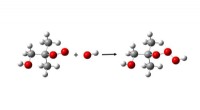
1. NOx reacts with sunlight and oxygen to form nitrogen dioxide (NO2).
2. NO2 reacts with sunlight to produce oxygen atoms.
3. Oxygen atoms react with oxygen molecules to form ozone (O3).
This process is known as photochemical smog formation. The ozone formed near the ground level is called surface ozone.
Key factors influencing surface ozone production:
* Sunlight intensity: Ozone formation is highest during sunny days with high temperatures.
* NOx and VOC emissions: The more NOx and VOCs are released, the higher the ozone production.
* Meteorological conditions: Wind patterns, temperature inversions, and humidity can influence the distribution and concentration of ozone.
Important to note:
* While ozone in the stratosphere protects us from harmful UV radiation, surface ozone is a harmful air pollutant.
* It can damage crops, forests, and human health.
* It is a major component of smog and can irritate the respiratory system.
Let me know if you'd like more detail on any of these aspects!