1. Light Absorption and Emission:
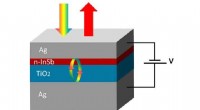
* Absorption: When a gas absorbs light, electrons in its molecules jump to higher energy levels. The specific wavelengths of light absorbed depend on the energy differences between these levels.
* Emission: As the excited electrons return to their ground state, they release the absorbed energy as light. This emitted light can be visible, giving the gas its color.
2. How Gases Interact with Light:
* Transparent gases: Gases like oxygen and nitrogen are transparent because they don't absorb visible light. Their electrons have energy levels that correspond to wavelengths outside the visible spectrum.
* Colored gases: Gases that are colored, like chlorine (greenish-yellow) or bromine (reddish-brown), have electrons with energy levels that absorb specific wavelengths of visible light. They then emit light at those wavelengths, giving them their color.
3. Factors Influencing Gas Color:
* Molecular structure: The arrangement of atoms in a molecule affects the energy levels of electrons and therefore the wavelengths of light absorbed and emitted.
* Temperature and pressure: These factors can influence the energy levels of electrons and thus the color of the gas.
Example: Chlorine gas:
* Chlorine gas absorbs blue light, leaving the remaining wavelengths to be transmitted, giving it a greenish-yellow color.
In summary:
The color of a gas arises from its unique ability to absorb and emit specific wavelengths of visible light due to the energy levels of its electrons. The color we see is a result of the wavelengths of light that are not absorbed and are transmitted through the gas.