Here's a breakdown of the key stages:
1. Photosynthesis: Plants, algae, and some bacteria use sunlight, water, and carbon dioxide from the atmosphere to create their own food (sugars) and release oxygen as a byproduct. This is how carbon enters the biosphere.
2. Respiration: All living organisms (plants, animals, bacteria) breathe and use oxygen to break down sugars for energy. This process releases carbon dioxide back into the atmosphere.
3. Decomposition: When organisms die, decomposers (bacteria and fungi) break down their remains, releasing carbon dioxide back into the atmosphere or storing it in the soil.
4. Consumption: Animals eat plants and other animals, transferring carbon through food chains.
5. Fossil Fuel Formation: Over millions of years, dead organisms that are buried under layers of sediment can be transformed into fossil fuels like coal, oil, and natural gas. These fuels store large amounts of carbon.
6. Combustion: The burning of fossil fuels releases large amounts of carbon dioxide into the atmosphere.
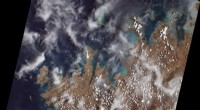
7. Ocean Carbon Sink: Oceans absorb a significant amount of carbon dioxide from the atmosphere, storing it in the water and creating marine life.
The carbon cycle is a continuous process that helps to regulate the Earth's climate. However, human activities like burning fossil fuels are releasing carbon dioxide into the atmosphere at an unprecedented rate, disrupting the natural balance and contributing to climate change.