1. Physical Properties:
* Boiling Point: Water boils at 100°C (212°F) at standard atmospheric pressure. Heat the liquid and observe the temperature at which it boils. If it boils at or very near 100°C, it's a strong indicator of water.
* Freezing Point: Water freezes at 0°C (32°F). Place the liquid in a freezer and observe if it solidifies at or around this temperature.
* Density: Water has a density of approximately 1 g/mL at 4°C. You can measure the volume of the liquid and its mass. If the density is close to 1 g/mL, it supports the possibility of water.
2. Chemical Tests:
* Litmus Paper: Water is neutral, meaning it's neither acidic nor basic. Dip litmus paper into the liquid. It should not change color, indicating neutrality.
* Anhydrous Copper Sulfate: Anhydrous copper sulfate is a white powder. When it comes into contact with water, it turns blue. Add a small amount of the liquid to a sample of anhydrous copper sulfate. If it turns blue, it confirms the presence of water.
* Cobalt Chloride Paper: Cobalt chloride paper is blue when dry. It turns pink in the presence of water. Dip a piece of cobalt chloride paper into the liquid. If it changes to pink, you have water.
3. Other Indicators:
* Taste and Odor: Water has a characteristic taste and is odorless. Be cautious with this test, as some contaminants may have a similar taste or odor.
* Appearance: Water is generally clear and transparent. Note any color or cloudiness.
Important Considerations:
* Purity: The tests above can confirm the presence of water but may not guarantee the purity of the water. For very pure water, additional tests may be needed.
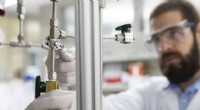
* Safety: When conducting chemical tests, always wear appropriate safety gear and follow proper laboratory procedures.
For a definitive answer, you might need to use a combination of these tests.
Note: If you're unsure about the liquid's origin or safety, it's always best to err on the side of caution and avoid ingesting or directly testing it. Consult a professional for reliable identification and safety advice.