Unsaturated Solution
* Definition: A solution that can still dissolve more solute at a given temperature and pressure.
* Characteristics:
* More solute can be added and will dissolve.
* The solution is clear and transparent.
* Example: If you add a spoonful of sugar to a glass of water, it dissolves completely. The solution is unsaturated because it could still hold more sugar.
Saturated Solution
* Definition: A solution that contains the maximum amount of solute that can dissolve at a given temperature and pressure.
* Characteristics:
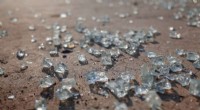
* Any additional solute added will not dissolve, and it will either settle to the bottom or form crystals.
* The solution may appear clear or cloudy depending on the type of solute.
* Example: If you keep adding sugar to that glass of water, eventually the sugar will stop dissolving, and you'll see crystals at the bottom. The solution is now saturated.
Here's a helpful analogy:
Imagine a sponge.
* Unsaturated: The sponge can still absorb more water.
* Saturated: The sponge is full of water and can't absorb any more.
Key Point: The solubility of a substance (how much solute dissolves) is affected by temperature. As temperature increases, the solubility of most solids increases. So, a solution saturated at one temperature might become unsaturated at a higher temperature.
Let me know if you'd like any further clarification!