1. Reactivity:
* Highly reactive: They are the most reactive metals in the periodic table, readily reacting with water, oxygen, and halogens.
* Ease of ionization: They easily lose their single valence electron, forming +1 cations. This is why they are strong reducing agents.
2. Physical Properties:
* Low melting and boiling points: Compared to other metals, they have relatively low melting and boiling points due to weak metallic bonding.
* Softness: They are soft enough to be cut with a knife due to their weak metallic bonding.
* Low density: They have low densities, with lithium being the lightest metal.
3. Chemical Properties:
* Form basic hydroxides: Alkali metals react vigorously with water, forming metal hydroxides and releasing hydrogen gas. These hydroxides are strong bases.
* Form stable salts: They readily form ionic compounds with nonmetals, forming salts with high melting points.
4. Other Unusual Properties:
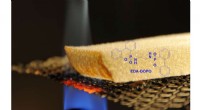
* Unique flame colors: Each alkali metal produces a distinctive color when heated in a flame, used in flame tests for identification.
* Existence as free metals: Alkali metals are never found in their elemental form in nature due to their high reactivity.
Here's a table summarizing some of these unusual properties:
| Property | Alkali Metals | Other Metals |
|---|---|---|
| Reactivity | Highly reactive | Generally less reactive |
| Melting Point | Low | High |
| Boiling Point | Low | High |
| Density | Low | High |
| Softness | Soft | Hard |
| Flame Color | Distinctive | Often none or faint |
These unusual properties of alkali metals are directly related to their electronic configuration. They have only one valence electron, which is easily removed. This makes them highly reactive, forming ionic bonds with nonmetals. Their weak metallic bonding also explains their softness and low melting and boiling points.