Disinfection vs. Sterilization:
* Disinfection: This process aims to reduce the number of harmful microorganisms to a safe level. It doesn't necessarily eliminate *all* microbes, just enough to make the surface or object safe for use.
* Sterilization: This is a more rigorous process that kills *all* microorganisms, including bacteria, viruses, fungi, and their spores.
Why Boiling Works for Disinfection:
* Heat Kills Microbes: Boiling water reaches a temperature of 100°C (212°F), which is sufficient to kill many common bacteria, viruses, and fungi.
* Simple and Accessible: Boiling water is a readily available and easy-to-use method for disinfection.
Why Boiling Doesn't Sterilize:
* Spore Resistance: Some microorganisms, like bacterial spores, are incredibly resilient and can survive even prolonged boiling. These spores can germinate and cause infections later.
* Incomplete Penetration: Boiling water may not effectively penetrate complex surfaces or materials, leaving pockets of microbes untouched.
* Temperature Limitations: Boiling water can only reach a specific temperature. While this is sufficient for many pathogens, it might not be enough for all.
In Summary:
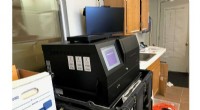
Boiling water is a good way to disinfect surfaces and tools, but it won't eliminate all microbes, particularly resistant ones. For true sterilization, you need more aggressive methods like autoclaving or using chemical disinfectants.