* Mucilage: Spirogyra produces a slimy mucilage layer that surrounds its filaments. This mucilage acts as a protective barrier, trapping moisture and preventing excessive water loss.
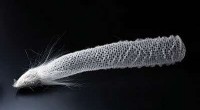
* Filament structure: Spirogyra grows in long, thin filaments that can easily absorb water from their surrounding environment. This allows them to remain hydrated even in slightly dry conditions.
* Survival stage: In severe drought, Spirogyra can enter a resting stage where it forms thick-walled spores called zygospores. These spores are highly resistant to desiccation and can remain dormant for extended periods until favorable conditions return.
It's important to note that Spirogyra's primary adaptation is its aquatic habitat. It thrives in water and is not designed to withstand prolonged periods of dryness. If completely exposed to the air, it will likely dry out and die.