Pulmonary Tuberculosis (PTB)
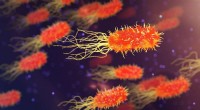
PTB is an infectious disease caused by the bacterium *Mycobacterium tuberculosis*. It primarily affects the lungs, but it can also spread to other parts of the body.
Cavitary Formation
Cavities are air-filled spaces that form within the lungs as a result of the body's immune response to the tuberculosis infection. The immune system tries to wall off the infection, forming a granuloma (a cluster of immune cells). Over time, the center of the granuloma can break down, creating a cavity.
Causes of Cavitary Formation in PTB
* Immune Response: The body's immune response to *M. tuberculosis* can lead to the formation of granulomas, which may eventually develop into cavities.
* Necrosis: The bacteria can cause tissue death (necrosis) within the lungs, leading to cavity formation.
* Caseation: The necrotic tissue in the lungs can become cheese-like (caseous), which can also contribute to cavity formation.
Clinical Significance
Cavitary formation in PTB is significant because:
* Increased Risk of Transmission: Cavities can release infectious bacteria into the air, making the patient more contagious.
* Hemoptysis: Cavities can erode blood vessels, causing coughing up blood (hemoptysis).
* Increased Risk of Complications: Cavities can lead to complications such as pneumothorax (collapsed lung) and lung abscess.
Diagnosis and Treatment
PTB with cavitary formation is typically diagnosed through:
* Chest X-ray: Shows the presence of cavities.
* Sputum Culture: Confirms the presence of *M. tuberculosis*.
Treatment typically involves:
* Antibiotics: Multidrug therapy is used to kill the bacteria.
* Surgery: In some cases, surgery may be necessary to remove the affected lung tissue.
Prognosis
The prognosis for PTB with cavitary formation depends on factors such as the extent of the disease, the patient's overall health, and the effectiveness of treatment. With appropriate treatment, most patients can recover fully.