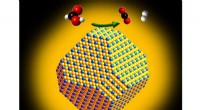
* Noble Metal: Gold is a noble metal, meaning it's chemically unreactive. It sits very low on the reactivity series of metals, making it resistant to corrosion.
* Oxidation Resistance: Rust is a form of corrosion that happens when iron reacts with oxygen and water. Gold, on the other hand, doesn't readily react with oxygen, even in the presence of moisture. It forms a very thin, protective oxide layer that prevents further oxidation.
* Lack of Electron Affinity: Gold doesn't have a strong affinity for electrons. This means it's not easily oxidized, which is the process that leads to rust formation.
In Summary: Gold's chemical properties make it inherently resistant to the conditions that cause rusting. It's highly unreactive, doesn't readily oxidize, and doesn't easily lose electrons.