Here's the breakdown:
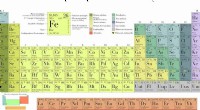
* Chemicals are any substances that have a definite chemical composition. They can be elements, compounds, or mixtures. Examples include water (H₂O), salt (NaCl), sugar (C₁₂H₂₂O₁₁), and oxygen (O₂).
* Solvents are a type of chemical that dissolves another substance (the solute) to form a solution. They are typically liquids, but can be gases or solids. Common examples include water, alcohol, acetone, and gasoline.
In other words:
* All solvents are chemicals, but not all chemicals are solvents.
Think of it this way:
* Chemicals are a broad category that includes everything from water to plastic to the air we breathe.
* Solvents are a specific type of chemical that has the ability to dissolve other substances.
Here's an analogy:
* Chemicals are like cars. There are many different types of cars, from sedans to trucks to sports cars.
* Solvents are like cars that can tow other vehicles. They are still cars, but they have a specific function.