When you mix Alka-Seltzer with oil and water, the following happens:
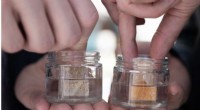
1. The Alka-Seltzer reacts with the water: The tablet will fizz and release carbon dioxide gas just like it would in plain water.
2. Oil and water don't mix: The oil and water will separate into two distinct layers. The oil being less dense will float on top of the water.
3. The bubbles rise through the oil: The carbon dioxide bubbles generated from the Alka-Seltzer reaction will try to rise to the surface. However, they will have to travel through the layer of oil first.
4. The oil may impede the bubbles: The oil will act as a barrier, slowing down the rise of the bubbles and potentially trapping some of them within the oil layer.
Overall, the Alka-Seltzer will react with the water in the same way, but the presence of oil will affect the movement of the carbon dioxide bubbles. You'll see the bubbles rising through the oil layer, possibly creating a "fizzy" effect in the oil itself.
Important Note: This experiment is best done in a container with a wide mouth to allow for proper observation of the bubble movement.